Rail to the Stars: Night Walks from Northern England Platforms
Step from a quiet carriage into a world of silver horizons and ancient constellations, where heathered ridges frame the Milky Way and trains are your gateway to darkness. Tonight we explore Stargazing on the Moors by Rail: Dark Sky Walks from Northern England Stations, blending practical routes, hushed stories, and field-proven tips so you can arrive by train, wander safely onto open moorland, and stand beneath skies that feel endless, welcoming, and astonishingly close.
Choose the Line, Find the Darkness
Northern rails lace through landscapes where town lights fade quickly and the night stretches overhead with generous clarity. Lines across the North York Moors and the Dales open doors to reserves celebrated for low light pollution, rugged silhouettes, and old stone waymarks. With sensible planning and a friendly timetable, platforms become trailheads, and a familiar whistle signals journeys that end with Orion rising over peat and gritstone. Let trains carry you gently to quiet edges where your eyes truly adjust and stars sharpen.
Short Steps to Wide Skies
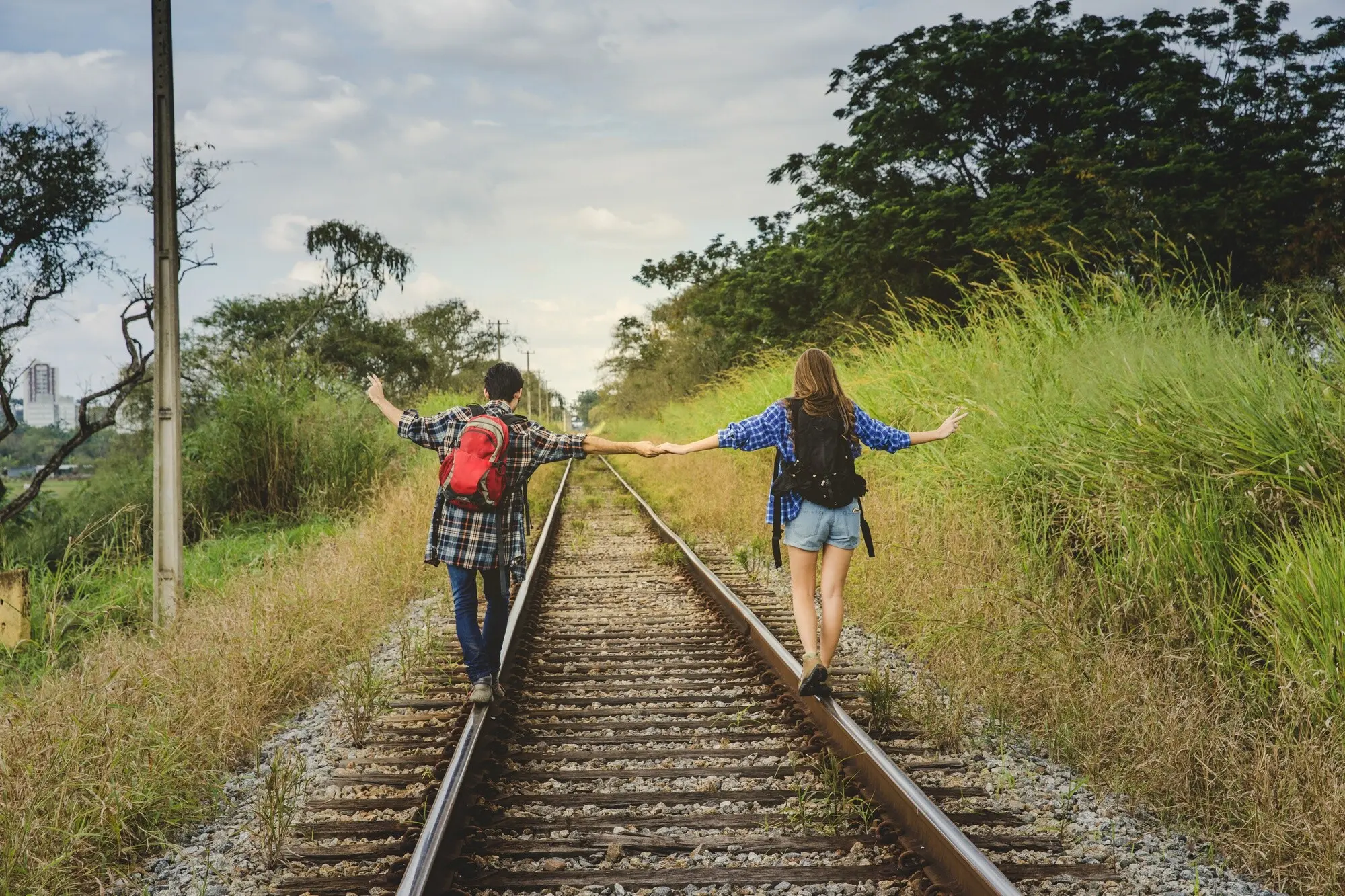
Sometimes a twenty-minute climb is all it takes. From Danby, the ascent to the ridge opens a sky like a theatre ceiling, each star a lamp recalling old maritime charts. From Ribblehead, stroll beyond the viaduct’s massive feet and find a safe patch of grass away from the road. From Goathland, pick a gentle bank beyond the village edge and let your eyes adjust. These compact routes favor beginners, families, and those catching earlier trains home without sacrificing a grand, sparkling dome of night.
Earned Horizons, Moderate Pace
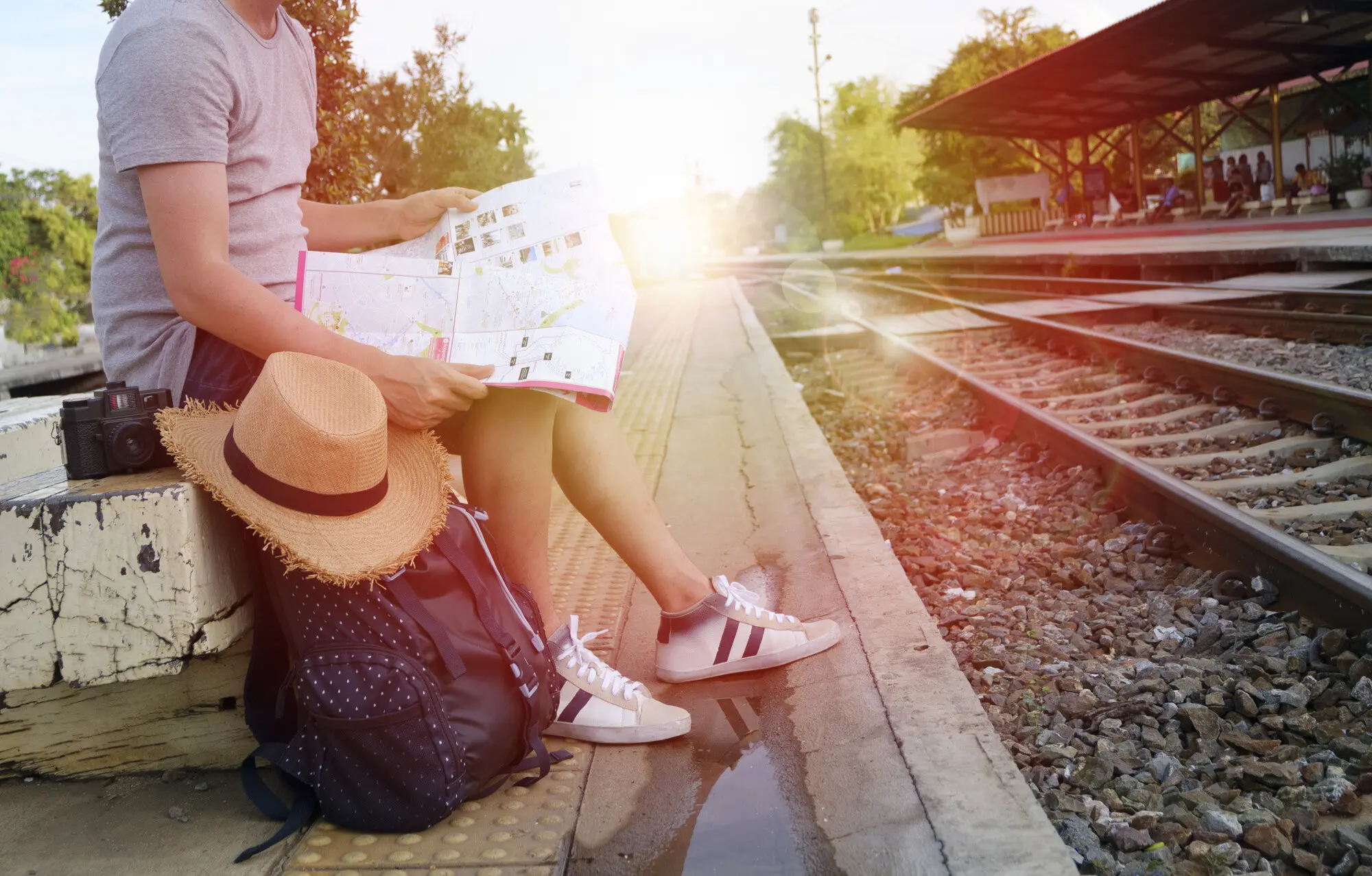
If an hour’s walking sounds perfect, loop from Glaisdale past Beggar’s Bridge and climb onto higher ground where river hush yields to heather whisper. From Castleton Moor, follow lanes then bridleways to Westerdale’s edges and pause where darkness feels generous. In the Dales, gentle tracks towards limestone scars reveal clean, steady horizons. These outings ask for a little fitness, a good look at the forecast, and time in hand for stargazing stillness. They repay with perspective and constellations that grow denser as towns recede behind you.
What the Night Will Show You
Reading the Milky Way Over Heather
Give your eyes twenty to thirty minutes, shielding them from white light, and the Milky Way reveals structure: Cygnus’ cross laid along luminous grain, Scutum’s star cloud, hints of dust lanes. On the moors, low horizons and minimal glare make star-hopping a delight. Trace from Deneb to Altair, then slide towards Aquila’s tail. In late summer and early autumn, the galaxy’s richest band hangs high. Bring a reclining mat, breathe slowly, and let your peripheral vision coax faint swirls patiently into view.
Meteor Showers From the Platform Edge
Perseids in August feel like bells ringing through warm nights, while Geminids in December sharpen the air with icy darting streaks. Quadrantids around early January can surprise pre-dawn. Lie back, avoid binoculars, and count casually between passing trains. Keep notes on direction and brightness for your own records or citizen science later. Even outside peaks, sporadics appear if you linger. A simple foam mat, warm layers, and a flask make the wait elegant, transforming a platform-adjacent verge into a personal theatre of falling fire.
Planets, Moon, and Passing Lights
Planets add personality to any session. Jupiter dominates with swappable belts in binoculars, while Saturn’s rings tease as a narrow, otherworldly girdle through a small scope. Venus dazzles at dusk, and Mars smolders when closest. The Moon washes out the Milky Way but offers hypnotic detail along the terminator. Track the International Space Station with an app, turning torches off to savor its brilliant, silent sweep. Choosing nights with a slender crescent or late-rising Moon keeps deep-sky contrast strong and moorland silhouettes satisfyingly stark.
Pack Smart for Rail and Moor
Comfort is the difference between glorious stillness and hurried shivering. Trains deliver you near darkness, but platforms can be wind funnels and high ground colder than expected. Wear layers you can adjust easily, pack a windproof, and protect hands and ears. Carry a headtorch with a reliable red mode, plus a backup lamp. Keep maps offline, battery warm, and a power bank handy. Add simple microspikes in icy seasons. A small sit pad and hot drink turn waiting into warmth that buys extra stargazing minutes.
Warmth, Wind, and Waiting on Platforms
The last ten minutes before a train can chill resolve. Choose merino or synthetic base layers, a breathable mid, and a windproof outer to blunt moor-top gusts. Gloves you can operate zips with matter more than you think. Pack a beanie, spare socks, and a buff to seal drafts. Stow a compact umbrella for sleet striking sideways. Keep a dry bag for insulating spare layers that double as a pillow while you watch meteors, transforming exposed edges into manageable, cozy outposts rather than uncomfortable endurance tests.
Navigation Without Killing Your Night Vision
A steady red light preserves detail in the dim. Set your headtorch brightness low, shield beams with a palm, and scan rather than stare. Pair an Ordnance Survey paper map with a simple compass, rehearsing bearings at home. Download offline tiles to your phone, and enable airplane mode to conserve power. Mark exit paths, bridges, and landmarks in daylight where possible. Practice counting paces between features. With gentle discipline, you move confidently while keeping the night soft, your pupils wide, and faint starlight fully alive.
Food, Flasks, and the Joy of Small Comforts
Simple calories taste magnificent in the cold. A flask of sweet tea or miso revives fingers, while oat bars and salted nuts keep energy steady without fuss. Pack something celebratory—a square of dark chocolate or ginger biscuits for a meteor burst. Carry a lightweight sit mat so damp grass does not rush you back. A tiny rubbish bag respects the moor and avoids midnight pocket searches. These creature comforts add quiet luxury, encouraging longer looks, calmer notes, and kinder patience with weather and timetables alike.
Safety, Access, and Night Etiquette
Darkness is generous, but it asks attention. Keep to public rights of way, close gates gently, and give livestock space. Be mindful near railway property, crossing only at legal points and never trespassing for a better angle. Brief your group on signals, distances, and decision points. Let someone know your route and return train. Share the night respectfully with residents by dimming torches near cottages. With a few simple habits, the moors feel welcoming, emergencies remain unlikely, and every encounter honors this living, working landscape.
Share the Wonder and Keep Coming Back
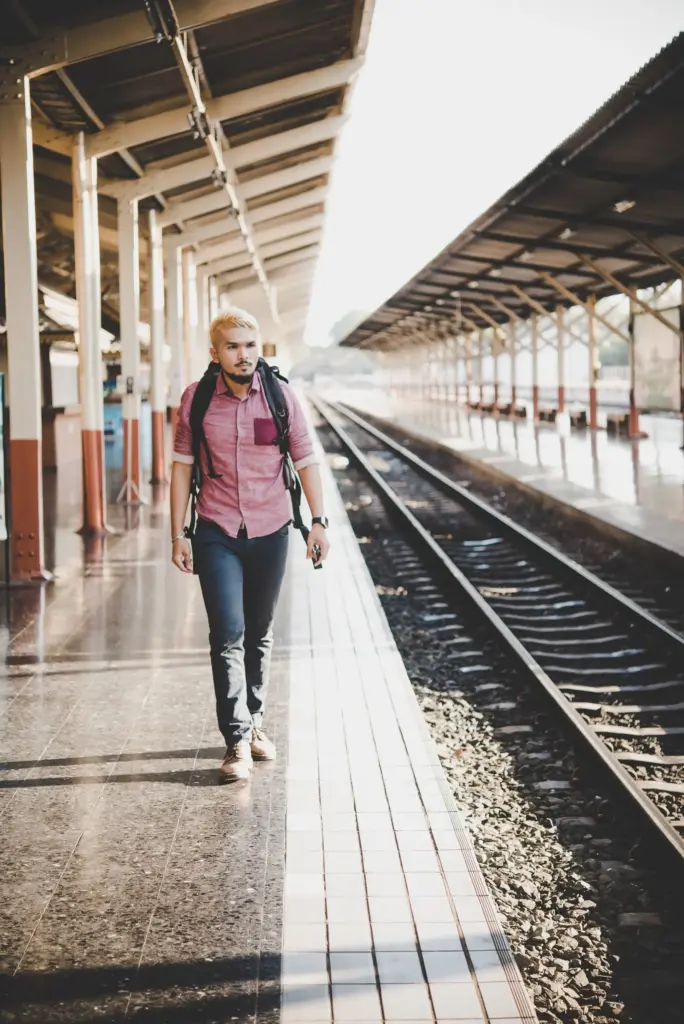
Nights on the moors slip into memory like quietly luminous postcards unless you anchor them. Capture a few frames, jot sky notes, and tell someone what surprised you—a sudden owl, a bright bolide, a hush that felt like music. Post your favorite routes and rail connections, learn from others, and return in a new season when constellations have rotated. If this guide helps, subscribe and comment so our next journeys can echo your questions, triumphs, and secret platforms where the dark begins most beautifully.
All Rights Reserved.